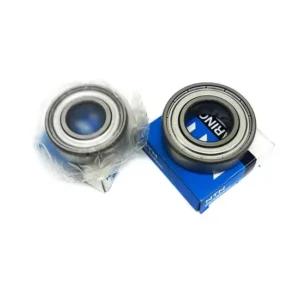
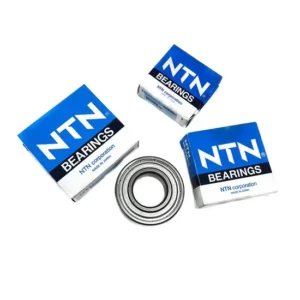
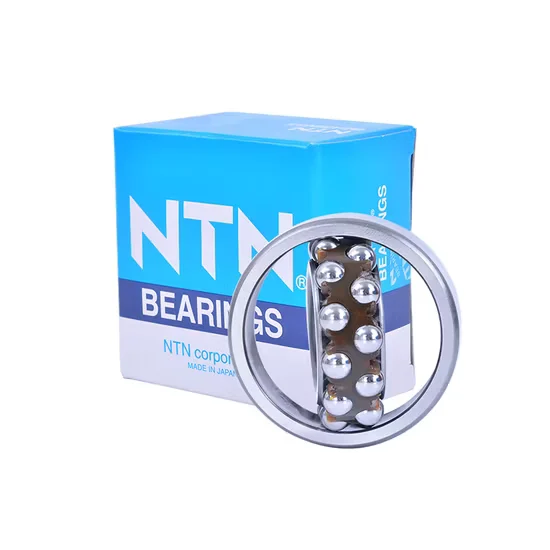
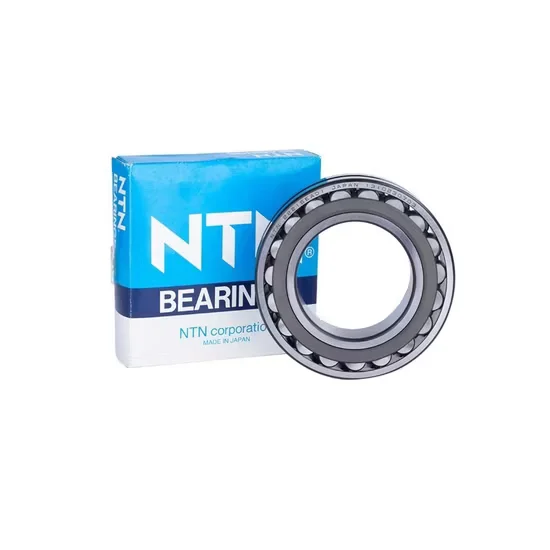
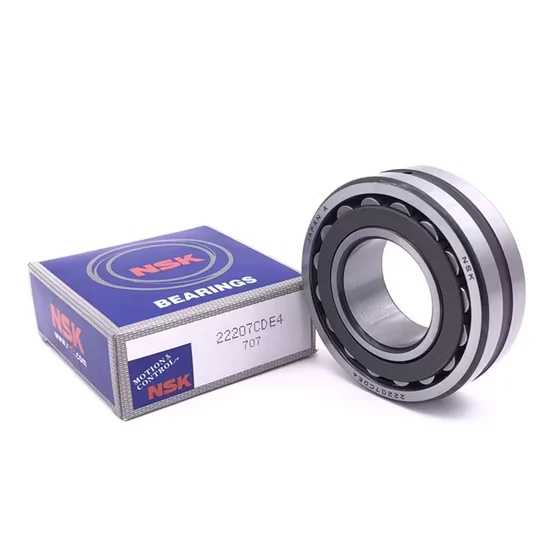
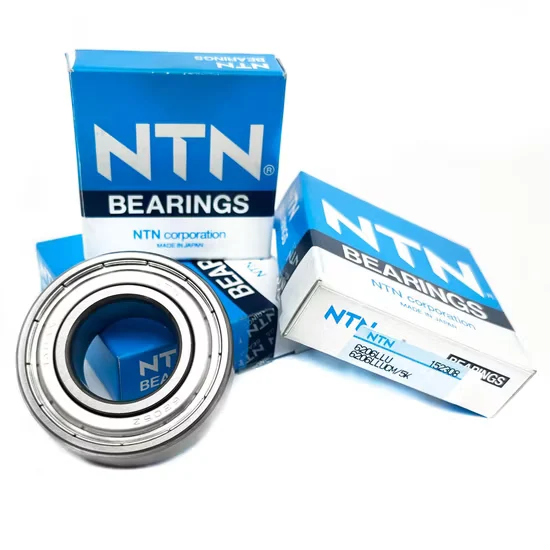
Mixed-Brand Sourcing — Consolidate X&S open-type bearings with international equivalents in a single shipment without juggling multiple vendors.
Technical Specifications
| Parameter | Value |
| Designation | 6013 6012 6213 6313 6311 6211 6010 6009 6210 6309 |
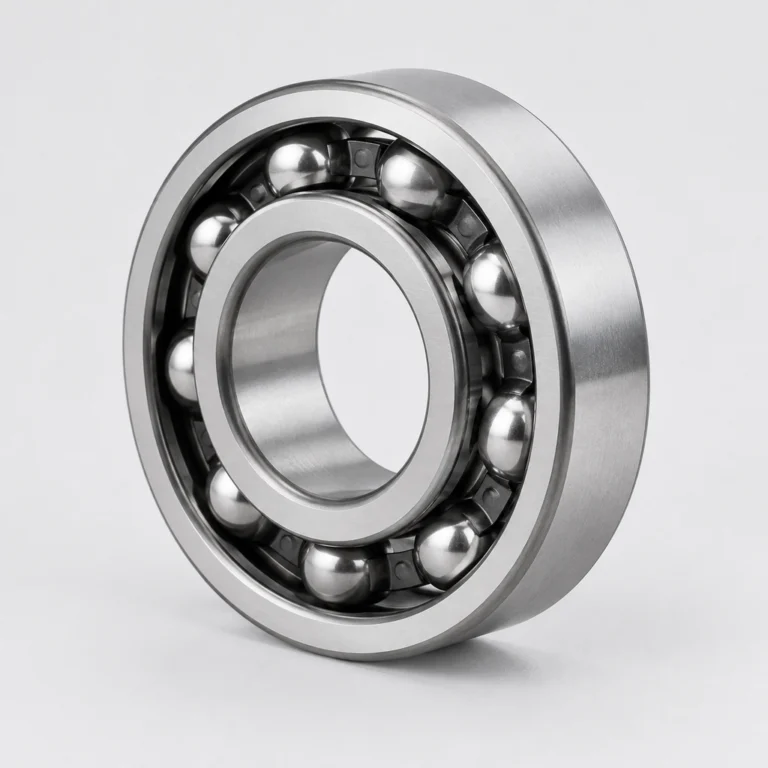
| Bearing Type | Deep Groove Ball Bearing |
| Arrangement | Single Row |
| Material | Bearing Steel |
| Load Direction | Radial |
| Lubrication | Grease or Oil |
| Feature | High Speed |
| Specification | Standard Size |
| Origin | Shandong, China |
Application Suitability
| Industry | Typical Applications |
| Electric Motors | Rotor shaft support in high-speed induction motors |
| Pumps | Impeller shaft radial support in centrifugal pumps |
| Gearboxes | High-speed input shaft journals in industrial reducers |
| Conveyors | Drive roller bearing seats in material handling systems |
Why Open-Type X&S 6013 6012 6213 Deep Groove Ball Bearings Demand Strict Suffix Verification
Assuming an open bearing is universally interchangeable often leads to premature contamination failure or excessive friction heat.
Early in my career handling installation after-sales in Nigeria, a batch of thin-section deep groove ball bearings was dispatched with incorrect shielded suffixes due to unchecked customs documents. In dusty environments, the wrong seal type caused rapid jamming, forcing the entire production line to halt. For these specific open models without any suffix, verifying the exact housing seal design is absolutely critical to prevent debris ingress. Procurement engineers frequently overlook the absence of a suffix, mistakenly assuming standard shields are included. This oversight results in deploying bare raceways into harsh environments, guaranteeing rapid abrasive wear.

Matching Open Designs to Motor and Pump Environments
When specifying an X&S 6013 6012 6213 deep groove ball bearing for electric motors or pumps, the absence of integrated seals means the housing must provide adequate external protection. Our engineering team cross-references your equipment blueprints to ensure the open-type clearance and lubrication pathways align perfectly with your existing labyrinth seals or external grease purging systems. If the housing relies on the bearing's own shields for protection, these open variants will fail rapidly. We actively guide buyers through this distinction, ensuring the selected component integrates flawlessly with your machinery's specific environmental defense mechanisms.
Operational Challenges and Performance Demands
High-speed radial applications generate significant internal heat, making the choice between grease and oil lubrication critical for thermal stability. Open bearings rely entirely on the housing's sealing effectiveness to block particulate contamination while retaining the chosen lubricant. If the operating temperature fluctuates widely, thermal expansion can alter the internal clearance, demanding careful initial selection to prevent binding or excessive play. Furthermore, misalignment in pump shafts can introduce uneven load distribution across the single row of rolling elements, accelerating localized fatigue. Maintaining the correct lubricant viscosity under these dynamic conditions is essential for preserving the raceway integrity.
Decoding the Core Engineering Specifications
The single-row arrangement optimizes these bearings for pure radial loads while accommodating minor axial displacements during motor startup transients. Crafted from high-purity bearing steel, the raceways achieve the necessary hardness to resist surface fatigue under continuous high-speed rotation, though ceramic or stainless steel variants are available for highly corrosive or specialized environments. Since these models lack suffix designations, they are supplied as open types, allowing maintenance teams to flush and relubricate them directly within the housing without dismantling the entire assembly. The standard size specification ensures dimensional interchangeability across global machinery standards, simplifying MRO replacements. Selecting the appropriate internal clearance class is vital to compensate for the interference fit typically used on motor shafts, preventing operational preload issues.
The Hidden Costs of Incorrect Open Bearing Selection
Deploying an open bearing in an unsealed housing inevitably invites abrasive dust into the raceway, accelerating wear and causing unplanned downtime across the facility. Conversely, forcing a shielded variant into a housing designed specifically for open bearings can lead to catastrophic overheating due to redundant sealing friction and restricted oil flow. According to ISO 281 standards, such lubrication and contamination failures drastically reduce the calculated L10 life, often by a substantial margin. These premature failures not only void equipment warranties but also escalate maintenance budgets significantly through secondary damage to shafts and housings.
Why Procure These Specific Models Through Us
We maintain massive spot inventory covering thousands of standard part numbers, ensuring your urgent MRO requirements for these exact open models are met without delay. Our technical selection support helps you confirm whether an open type is truly suitable or if a sealed variant is needed for your specific dusty environment, preventing costly misapplications. We provide complete traceability documentation for every bearing steel component, guaranteeing genuine material properties and structural integrity. Flexible MOQs allow you to order a single emergency spare or consolidate a full container of mixed sizes for major overhauls. Our cross-brand equivalent consultation ensures you get the right fit even if original OEM part numbers are obsolete or discontinued.
Documentation & Authenticity
- Original batch traceability reports confirming the bearing steel heat number for each open model.
- Dimensional inspection certificates verifying standard size tolerances before dispatch.
- Material test reports validating the metallurgical composition of the single-row components.
- Certificate of Conformity matching the exact 6013, 6012, and 6213 designations on your purchase order.
Storage, Handling & Mounting
- Keep open bearings in their original anti-corrosion packaging until mounting to prevent humidity damage to the exposed bearing steel raceways.
- Wear lint-free clean gloves when handling the open raceways to avoid fingerprint-induced corrosion on the high-speed surfaces.
- Apply the specified grease or oil immediately after unpacking to protect the single-row components from ambient moisture.
- Use induction heating for cylindrical bore mounting to preserve the precise internal clearance of these standard size units.
- Ensure the housing seals are thoroughly cleaned before installation, as these open models lack integrated dust shields.
Technical Inquiry and Selection Guidance
To ensure precise fitment, please share your radial and axial load profiles, operating speeds, and detailed housing seal designs. Our engineering team will perform an L10 life recalculation and verify if the open-type lubrication strategy matches your planned maintenance intervals. Providing the original OEM equipment numbers allows us to execute a thorough cross-reference check, eliminating guesswork. We focus on delivering the exact technical validation required for heavy-duty industrial deployments.
Frequently Asked Questions
Q: How do we verify the authenticity of these open-type bearings?
A: We provide comprehensive traceability documentation, including original batch numbers and material inspection reports. You can cross-reference the heat numbers on the bearing steel with the manufacturer's production records. Additionally, our dimensional inspection reports confirm that the standard size tolerances strictly meet industrial specifications before shipment.
Q: What cross-reference considerations apply to clearance and precision?
A: When cross-referencing these models to international equivalents, you must match the internal clearance class and precision grade, not just the basic dimensions. An open bearing intended for a high-speed electric motor often requires a specific clearance to accommodate thermal expansion. We provide technical consultation to ensure the selected variant aligns with your exact operational parameters.
Q: Grease vs. oil lubrication: which is better for these high-speed applications?
A: Oil lubrication generally offers superior heat dissipation for continuous high-speed operations, while grease provides simpler sealing and maintenance for moderate speeds. Since these are open models, the choice depends entirely on your housing's lubrication delivery system. We recommend evaluating the operating temperature and relubrication intervals to determine the most reliable fluid for your specific machinery.
Q: How do we select the correct standard size for pump applications?
A: Selecting the right size involves analyzing the impeller shaft's radial loads, rotational speed, and available housing space. You must also account for shaft deflection and thermal expansion during operation. By providing your equipment's technical drawings and operational data, our team can verify the exact dimensional fitment and recommend the optimal single-row configuration.
Q: What installation tools are recommended for single-row open bearings?
A: For cylindrical bores, induction heaters are highly recommended to expand the inner ring evenly without damaging the bearing steel raceways. Avoid direct flame heating or mechanical hammering, which can compromise the high-speed surface finish. Always use clean, lint-free gloves during handling, and ensure the housing seals are perfectly aligned to protect the open bearing from contamination.